I’ll be the first to admit it: I used to have a closet that looked like a battlefield after a sale at the mall. You know the scene—shirts with tags still on, jeans that never quite fit, and that one sequined top I bought for a party I never went to. Every morning, I’d stand there, overwhelmed by choices, feeling like I had nothing to wear. It was exhausting, and honestly, a little embarrassing.
Then, about two years ago, I stumbled into the world of capsule wardrobes. I thought it sounded like a trendy diet for clothes—depriving myself of fun pieces. But what I found was the opposite: it was freedom. Today, I want to share how embracing a capsule wardrobe, sustainable fashion, and classic style has not only simplified my mornings but also made me feel more like myself. Grab your coffee, and let’s chat.
Why I Said Goodbye to Fast Fashion (and Hello to Ethical Clothing)
Let’s be real: I used to love a good fast-fashion haul. There’s something thrilling about a $10 top that feels like a steal. But after a few washes, that top would pill, fade, or just lose its shape. I’d toss it in a donation bin, only to repeat the cycle. One day, I found a pair of jeans I’d bought from a sustainable brand five years ago. They were still my favorites—soft, durable, and perfectly broken in. That’s when it hit me: ethical clothing isn’t just about saving the planet; it’s about saving my wallet and my sanity.
Switching to sustainable fashion didn’t happen overnight. I started small. I committed to buying only one new piece per season, and I made sure it was from a brand I trusted. I also fell in love with secondhand shopping. There’s a thrill in finding a vintage blazer that’s built to last. Now, my wardrobe is a mix of timeless staples—a crisp white button-down, a well-fitted blazer, dark denim, and a cashmere sweater—all from ethical brands or thrift stores. I feel good wearing them because I know they were made with care, and they’ll stick around for years.
One of my favorite moments was when I wore a simple linen dress to a friend’s wedding. Everyone asked where I got it, and I proudly said, “It’s from a small ethical brand I found online.” The dress was simple, elegant, and it made me feel confident. That’s the power of ethical clothing: it connects you to the story behind the garment.
Building a Capsule Wardrobe That Actually Works for Real Life
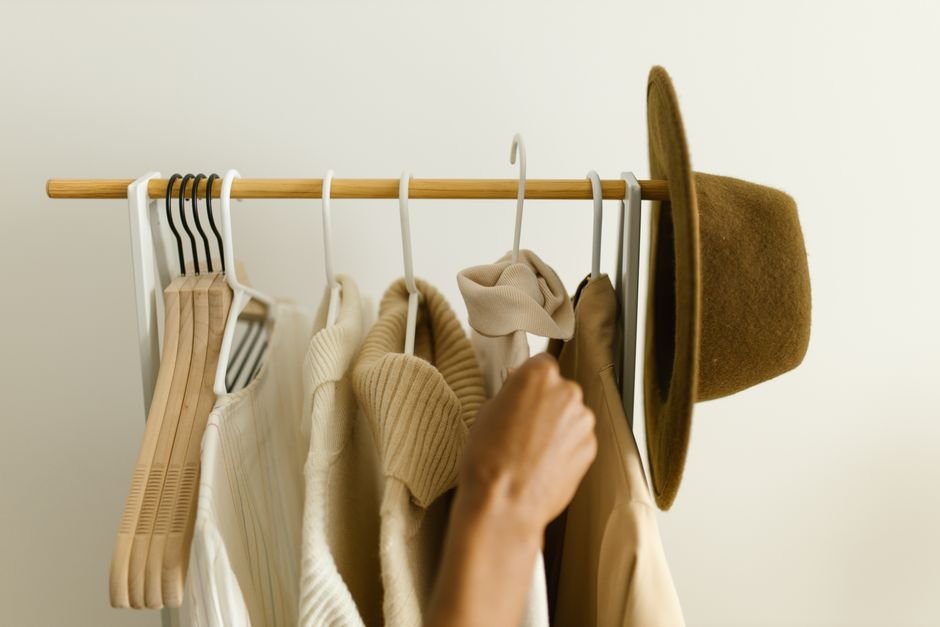
If you’re new to the capsule wardrobe idea, here’s the gist: you curate a small collection of versatile, high-quality pieces that mix and match effortlessly. For me, that’s about 30 items, including shoes and accessories. It sounds limiting, but trust me, it’s liberating.
I remember the first week I tried it. I laid out all my clothes and realized I had seven black t-shirts. Seven! I kept my favorite one—a soft organic cotton tee from a fair-trade brand—and donated the rest. Then I focused on building a color palette: neutrals like navy, cream, camel, and black, with a few pops of olive green and burgundy. Suddenly, getting dressed became a game. I could pair that tee with jeans for coffee, add a blazer for work, or dress it up with a silk scarf for dinner.
Here are my go-to outfit ideas that never fail me:
- The Weekend Uniform: A relaxed linen shirt, high-waisted jeans, and leather sneakers. Add a crossbody bag for errands.
- Office Ready: A tailored blazer over a silk shell, wide-leg trousers, and loafers. Swap the shell for a striped tee on casual Fridays.
- Date Night: A midi dress in a neutral tone, with a denim jacket and ankle boots. Simple, but it always feels special.
- Travel Chic: A cashmere sweater, dark skinny jeans, and a trench coat. It works for planes, walks, and dinners.
The key is to choose pieces that love you back. For example, I invested in a pair of leather boots that I’ve worn for three winters. They’ve molded to my feet, and I feel like a boss every time I wear them. That’s the beauty of classic style: it doesn’t scream “trendy,” but it whispers “timeless.”
How to Shop Smarter (Without Feeling Deprived)
I know what you might be thinking: “But Emma, I love shopping! How do I stop?” I get it. I still get a little thrill when I see a beautiful window display. But I’ve learned to shift my mindset. Instead of buying impulsively, I ask myself three questions before any purchase:
- Do I already own something similar?
- Will I wear this at least 30 times?
- Is it made from natural, durable materials?
If the answer is yes to all three, I consider it. If not, I walk away. This simple rule has saved me from countless regretful purchases. I also keep a “wish list” on my phone. If I still want something after a month, I’ll look for it secondhand or from an ethical brand.
Another tip: invest in basics that do the heavy lifting. A good pair of jeans, a classic trench, and a quality knit are worth splurging on. I learned this the hard way after buying a cheap cardigan that unraveled in the wash. Now, I’d rather save for one piece from a brand like Patagonia, Eileen Fisher, or a local artisan. It feels like a treat, and it lasts.
One of my proudest moments was when I wore a thrifted silk blouse to a work event. A colleague complimented it, and I said, “Thanks, it’s from a vintage shop!” She was shocked. That’s when I realized sustainable fashion isn’t about sacrifice; it’s about discovery.
And here’s the honest truth: I still have days when I crave something new. But instead of hitting the mall, I rearrange my closet. I try on old favorites with new combinations. Suddenly, that navy blazer feels fresh when paired with a striped tee I forgot I had. It’s like rediscovering your own treasure.
So, if you’re thinking about trying a capsule wardrobe, start small. Pick one season, pick 20 items, and see how it feels. You might just find that less really is more—more time, more peace, and more style.
My takeaway? This journey isn’t about being perfect or never buying new things. It’s about being intentional. It’s about choosing clothes that make you feel good, inside and out. It’s about slowing down and realizing that the best outfit is the one that lets you be you. So, go ahead—clear out that closet, donate what doesn’t serve you, and embrace the joy of less. I promise, you’ll thank yourself later. 🤍